
Simple Ways to Reduce Noise at Home for a Calmer Space
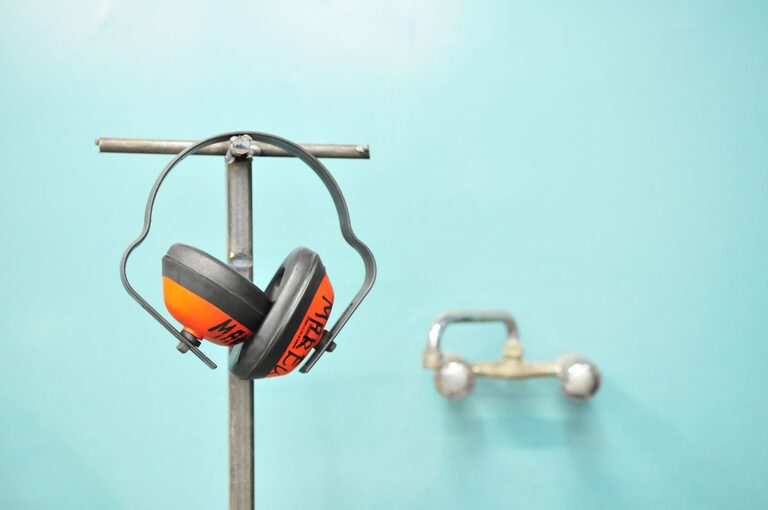
Living in a noisy environment can be stressful and affect your overall well-being. Whether it’s traffic sounds, noisy neighbours, or loud household appliances, unwanted noise can disrupt your peace at home. The good news is that you don’t need expensive renovations or complicated solutions to reduce noise. There are simple, practical ways to create a quieter, more calming living space.
This guide explores a range of effective noise-reducing techniques that you can apply in your home, helping you enjoy some calm and quiet no matter where you live.
Understanding Noise Sources in Your Home
Before diving into solutions, it helps to identify where the noise is coming from. Common sources include:
– Traffic and outside noises
– Neighbours or shared walls (in flats and terraced houses)
– Household appliances like washing machines or vacuum cleaners
– Hard surfaces causing sound to bounce and echo indoors
By recognising these noise sources, you can target your efforts more effectively.
1. Use Soft Furnishings to Absorb Sound
Hard surfaces reflect sound waves, making noise louder and more intrusive. Adding soft furnishings helps absorb these sound waves, reducing echo and noise levels inside.
How to use soft furnishings for noise reduction:
– Carpets and rugs: Place these on hard floors like wood or tiles.
– Curtains: Thick, heavy curtains or specialised acoustic curtains block outside noise and soften indoor sound.
– Upholstered furniture: Sofas and cushioned chairs absorb sound better than hard materials.
– Cushions and throws: Scatter these around rooms to soften noise further.
2. Seal Gaps and Cracks
Noise often finds its way through small gaps or cracks around windows, doors, and walls. Sealing these can make a surprising difference.
Tips to seal your home:
– Use weatherstripping around doors and window frames.
– Apply acoustic caulk to gaps in walls or skirting boards.
– Fit door sweeps to the bottom of doors to block sound leaks.
– Check letterboxes or keyholes and cover with foam seals if needed.
3. Add Bookshelves and Room Dividers
If you have a shared living area or open-plan rooms, noise can travel easily. Furniture can act as a barrier to prevent sound spreading.
– Bookshelves filled with books: These create thick, dense surfaces that absorb and block sound.
– Room dividers: Screens or folding room dividers help break up space and reduce noise transfer.
– Plants: Large indoor plants add an extra layer of sound absorption while brightening your space.
4. Consider Window Upgrades
Windows are a common weak spot for noise entering your home, especially if you live near busy roads.
Options to improve window soundproofing:
– Double or triple glazing: These windows have multiple panes with insulating gas between, drastically cutting noise.
– Secondary glazing: Adding an extra pane to existing windows is a cost-effective way to reduce noise.
– Heavy curtains or blinds: Provide an additional barrier when closed.
5. Use Noise-Blocking Door Solutions
Doors can be a major source of noise leakage, especially interior doors that may be hollow or thin.
– Replace hollow-core doors with solid wooden or composite ones when possible.
– Use door seals and draught excluders to block gaps.
– Add a door sweep or threshold to close gaps at floor level.
6. Employ Soundproofing Materials
For those willing to take a DIY approach, soundproofing materials can be applied to walls, ceilings, and floors.
Common materials include:
– Acoustic panels or foam tiles: These can be mounted on walls or ceilings to absorb sound.
– Mass-loaded vinyl (MLV): A heavy material that blocks sound transmissions through walls or floors.
– Underlay: Special acoustic underlay beneath carpets can reduce impact noise.
Remember to check for compatibility with your home’s construction and building regulations if making significant alterations.
7. Manage Household Noise
Reducing noise can also be about managing sounds within your own home.
– Keep appliance noise low: Use quieter models or run appliances during less sensitive times.
– Use rugs under noisy items: For example, placing mats under washing machines can reduce vibrations.
– Establish quiet zones: Designate spaces where loud activities are limited, helping everyone enjoy peace.
8. Add White Noise or Sound Machines
If completely blocking noise isn’t possible, using background sounds can help mask unwanted noise.
– White noise machines produce soothing sounds that cover disruptive sounds.
– Apps or devices offering nature sounds like rain or waves can also create a calming atmosphere indoors.
Final Thoughts
Reducing noise at home doesn’t have to be expensive or complicated. Small changes like adding soft furnishings, sealing gaps, or upgrading windows can have a big impact on your home’s acoustics. By creating a quieter environment, you’ll find it easier to relax, concentrate, and enjoy your living space.
Try combining several of these simple methods to see what works best for your home and lifestyle. With a little effort, your home can become a peaceful retreat free from unnecessary noise.