
How to Choose a Notebook You’ll Actually Use
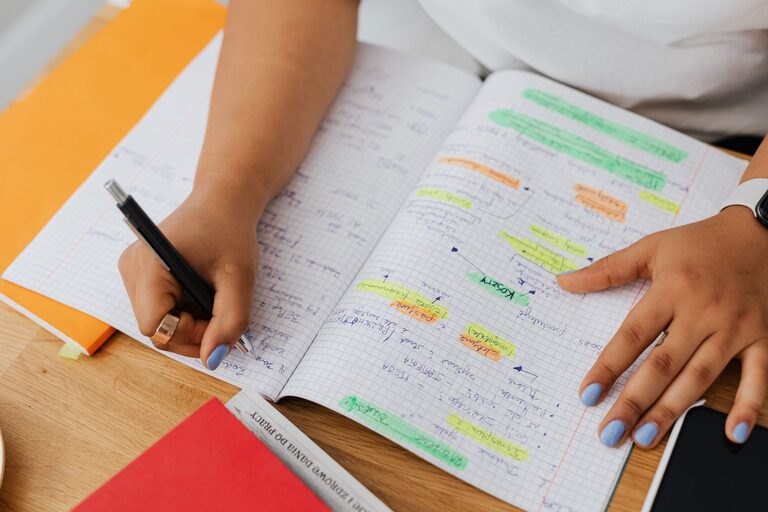
Choosing a notebook might seem like a straightforward task, but the truth is, many people buy notebooks that end up unused or forgotten. Whether you want a notebook for work, study, journaling, or planning, selecting one you’ll actually use requires a bit of thought. This guide will help you understand what to look for and how to pick a notebook suited to your habits and preferences.
Why Choosing the Right Notebook Matters
A notebook is more than just a stack of paper bound together. It’s a tool that can support your creativity, organisation, and memory. When you have a notebook that feels right, you’ll be more motivated to write, sketch, or plan. Conversely, an unsuitable notebook can discourage you from using it at all.
Consider Your Purpose
Before buying a notebook, ask yourself how you intend to use it. This influences size, paper type, binding, and format.
Common purposes include:
– Note-taking for work or school
– Personal journaling or diary writing
– Creative writing or poetry
– Sketching or drawing
– Planning, lists, and goal tracking
Understanding your primary use helps narrow down what features are essential.
Choose the Right Size
Notebooks come in various sizes, each suited for different uses.
– A4 (210 x 297 mm): Large, ideal for detailed notes, sketches, or presentations. Less portable but offers plenty of space.
– A5 (148 x 210 mm): The most popular size. Portable, fits in bags easily, and is roomy enough for general use.
– A6 (105 x 148 mm): Pocket-sized, great for quick notes or to-do lists on the go but limited space for longer writing.
– Custom sizes: Some brands offer unique sizes for specific needs.
If you plan to carry your notebook daily, consider something compact like A5 or smaller.
Paper Quality and Paper Type
The feel and performance of the paper can make a big difference.
Paper quality factors:
– Weight: Measured in grams per square metre (gsm). Heavier paper (80 gsm and above) is thicker, less prone to ink bleed-through, and generally feels better to write on.
– Texture: Smooth paper is good for ballpoint or gel pens, while textured paper is preferred by those who draw or use fountain pens.
– Colour: White or cream paper can affect readability and aesthetics.
Paper layout options:
– Ruled: Classic lines for neat writing, great for notes and journaling.
– Grid: Squares that help with diagrams, charts, or bullet journaling.
– Dotted: Dots offer subtle guidance without interfering with sketches or writing, perfect for creative planning.
– Plain: Blank pages for drawing, freeform writing, or mixed media.
Pick the paper type that supports your main activities.
Binding and Cover Type
Binding affects durability, ease of use, and how the notebook lays flat.
– Spiral-bound: Folds back easily and lies flat, perfect for note-taking, but pages may tear out more easily.
– Sewn-bound: More durable, pages lay relatively flat, suitable for longer-term use.
– Glue-bound (perfect bound): Sleek, book-like appearance but may not open flat.
– Hardcover vs Softcover: Hardcovers protect pages and last longer, while softcovers are lighter and more flexible.
Consider whether you want to keep your notebook for years or use it briefly.
Number of Pages and Additional Features
The right thickness depends on how often and how much you plan to write.
– Around 100-200 pages is typical for general use.
– For heavy note-taking or journaling, a thicker notebook may be better.
Some notebooks include extra features:
– Page numbers: Useful for referencing or indexing.
– Perforated pages: Easy to tear out notes cleanly.
– Built-in bookmarks or elastic bands: Help keep your place or keep the notebook closed.
– Pocket folders: Convenient for storing receipts or loose papers.
Aesthetic Considerations
While functionality matters most, a notebook that appeals to your personal taste can motivate you to use it.
– Choose covers with colours, patterns, or designs that inspire you.
– Some notebooks offer customisable or refillable options, allowing you to personalise as you go.
Try Before You Buy
If possible, visit a stationery shop to handle different notebooks. Test how they feel when you write or sketch. Pay attention to how the paper handles your preferred pens or pencils.
Tips for Using Your Notebook Consistently
Selecting the right notebook is the first step; building a habit matters too.
– Keep your notebook visible and accessible.
– Set small daily goals for writing or planning.
– Use tabs or colour-coding to organise your notes.
– Don’t worry about perfection—let your notebook be a space for ideas.
Summary
Choosing a notebook you’ll actually use involves matching your needs with the right size, paper, binding, and style. Consider your purpose, portability, and preferred writing tools. Remember, the perfect notebook is one that feels comfortable and inviting every time you open it. Happy writing!