How to Keep a Tidy Fridge and Pantry: Practical Tips for Orderly Storage
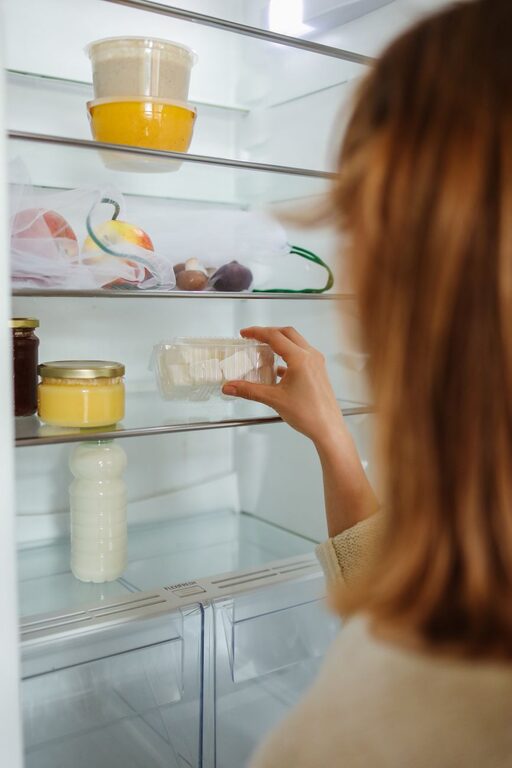
Keeping a tidy fridge and pantry is not only essential for food safety but also makes meal preparation smoother and more enjoyable. When your food storage spaces are well-organised, you can easily find what you need, reduce food waste, and maintain a hygienic kitchen environment. Here’s a comprehensive guide to help you keep your fridge and pantry neat and orderly.
Why It’s Important to Keep Your Fridge and Pantry Tidy
A cluttered fridge or pantry can cause food to spoil faster, increase the chance of cross-contamination, and make it challenging to plan meals. Staying organised helps:
– Extend the shelf life of your groceries
– Avoid buying duplicates
– Make cooking quicker and less stressful
– Keep pests away
Now, let’s explore practical steps you can implement today.
How to Keep Your Fridge Tidy
1. Start with a Thorough Clean-Out
Before organising, empty your fridge completely. Check for expired or spoiled items and dispose of anything past its best before date. Wipe all surfaces with a mild, non-toxic cleaner to remove spills and crumbs.
2. Group Similar Items Together
Organise your fridge by category to make things easy to find:
– Dairy products on one shelf
– Meats on the bottom shelf (to avoid drips)
– Fruits and vegetables in the crisper drawers
– Condiments in the door shelves
3. Use Clear Containers and Labels
Invest in clear storage containers for leftovers and pre-prepared meals. Label each container with the contents and the date it was stored. This helps prevent food from being forgotten and wasted.
4. Adjust Your Fridge Temperature
Keep your fridge temperature between 1°C and 4°C. This range slows bacterial growth while keeping your produce fresh.
5. Avoid Overcrowding
Make sure air can circulate freely inside your fridge by not overfilling it. Proper airflow helps maintain a consistent temperature throughout.
6. Store Raw Meat Correctly
Keep raw meat sealed in airtight containers or securely wrapped and placed on the lowest shelf. This prevents juices from contaminating other foods.
7. Regularly Rotate Stock
Practice ‘first in, first out’ by placing newly bought items behind older ones. This ensures you use up older food before it spoils.
How to Keep Your Pantry Organised
1. Declutter and Clean
Empty out your pantry and discard any expired or stale items. Wipe down shelves and check for signs of pests.
2. Categorise Food Items
Group pantry items into categories such as:
– Baking supplies (flour, sugar, baking powder)
– Cereals and grains
– Canned goods
– Snacks
– Spices and herbs
This will make it easier to find what you need and see when you’re running low.
3. Use Clear Jars and Containers
Transfer staples like pasta, rice, and flour into airtight, clear jars. This keeps food fresh longer and lets you see quantities at a glance.
4. Label Everything
Labels help everyone in the household know where things belong, making tidiness easier to maintain.
5. Utilise Vertical Space
Make use of shelf risers and stackable containers to maximise storage space in your pantry.
6. Keep Frequently Used Items Accessible
Place regularly used ingredients at eye level or close to the pantry door for convenience.
7. Store Heavy Items Low
Put heavier items, such as large bags of flour or bottles, on lower shelves to avoid accidents.
Maintaining Organisation Over Time
Weekly Quick Checks
Spend a few minutes each week tidying your fridge and pantry. This could involve wiping up spills, rotating food items, or checking expiry dates.
Meal Planning
Plan meals around what you already have to reduce waste and prevent overbuying.
Shopping Lists
Keep an updated shopping list based on what you need, avoiding unnecessary purchases that can clutter your storage.
Encourage Household Participation
Share tidying duties and organisation rules with all family members for consistent upkeep.
Final Thoughts
A tidy fridge and pantry not only improve kitchen hygiene but also make cooking and grocery shopping easier and more efficient. With a little effort and the right system, you can enjoy a clutter-free food storage space that supports a healthy lifestyle and minimises waste. Try these tips, and you’ll soon notice a positive difference in your kitchen routine.