How to Start a Small Herb Garden Indoors: A Beginner’s Guide
Starting a small herb garden indoors is a rewarding way to bring fresh flavours into your kitchen and connect with nature, no matter the season. Whether you have limited outdoor space or simply want the convenience of fresh herbs at your fingertips, growing herbs indoors is easier than you might think. This guide will walk you through the essentials, from choosing the right herbs to caring for them in your home.
Why Grow Herbs Indoors?
Indoor herb gardens offer several benefits:
– Freshness: Harvest herbs straight from your windowsill for the best taste.
– Convenience: No need to rush to the shop; home-grown herbs are always available.
– Space-saving: Perfect for apartments or homes without a garden.
– Aesthetics: Herbs can brighten up your kitchen or any room with their greenery.
– Well-being: Gardening can be a relaxing and satisfying hobby.
Choosing the Right Herbs for Indoors
Certain herbs adapt better to indoor environments due to lighting and space requirements. Here are some popular choices for beginners:
– Basil: Loves warmth and bright light; ideal for cooking.
– Parsley: Thrives with moderate sunlight; versatile in many dishes.
– Mint: Grows quickly and tolerates lower light; keep in a separate pot to contain growth.
– Chives: Easy to grow and perfect for garnishing.
– Thyme: Prefers sunny spots and well-drained soil.
– Coriander (Cilantro): Needs good light and regular watering.
What You’ll Need
Before starting, gather these essentials:
– Containers: Small pots or planters with drainage holes.
– Potting Soil: Use a good-quality, well-draining potting mix suitable for herbs.
– Seeds or Starter Plants: Seeds are cheaper but require more time; starter plants give quicker results.
– A Sunny Spot: Ideally a south-facing window for plenty of light.
– Watering Can: With a gentle spout to avoid soil disruption.
– Labels: To keep track of different herbs.
– Optional: Grow Lights if natural light is limited.
Step-by-Step Guide to Starting Your Herb Garden
1. Select Your Containers
Choose pots that are about 10-15 cm in diameter for each herb plant. Make sure they have drainage holes to prevent waterlogging, which can harm roots.
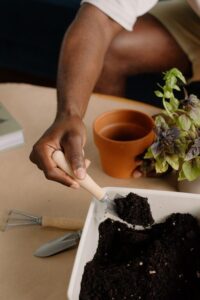
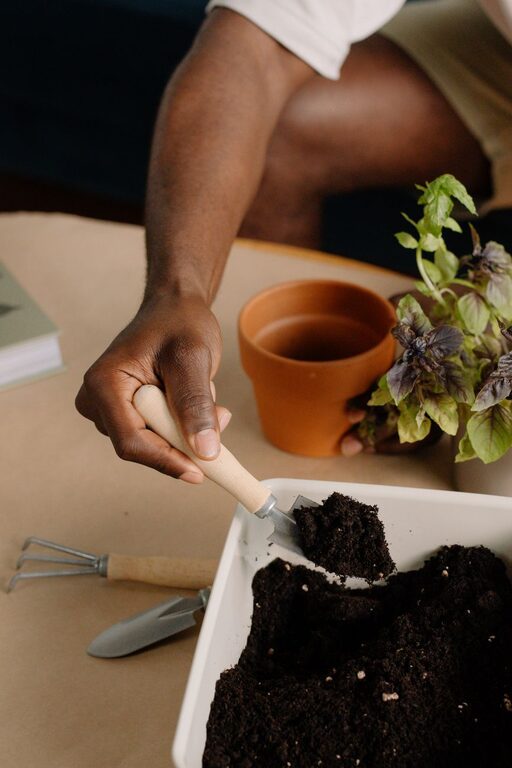
2. Prepare the Soil
Fill each pot with fresh potting soil, leaving about 2.5 cm (1 inch) of space at the top to water easily without overflow.
3. Sow Your Seeds or Plant Seedlings
– Seeds: Plant according to packet instructions, usually about twice as deep as the seed’s size. Cover lightly with soil.
– Seedlings: Gently remove from their nursery pots and plant at the same soil depth.
4. Water Gently
Water the soil until it is moist but not soaked. Herbs don’t like sitting in waterlogged soil.
5. Place in a Sunny Spot
Most herbs need at least 6 hours of sunlight daily. A kitchen windowsill facing south or west is usually ideal.
6. Monitor and Maintain
– Check soil moisture daily; water when the topsoil feels dry.
– Rotate pots weekly to ensure even light exposure.
– Remove yellow or dead leaves to encourage growth.
– Use small amounts of organic fertiliser every few weeks, if desired.
Caring for Your Indoor Herb Garden
Light
Herbs thrive in bright light. If natural light is insufficient, consider using LED grow lights for 10-12 hours a day.
Watering
Avoid overwatering. Water when the top 2 cm of soil feels dry. Use a pot with drainage to prevent root rot.
Temperature and Humidity
Most herbs prefer temperatures between 18°C and 24°C. Avoid placing them near cold drafts or heat sources like radiators.
Pruning and Harvesting
Regular trimming encourages bushy growth. Harvest leaves from the top and avoid removing more than one-third of the plant at a time.
Troubleshooting Common Issues
– Leggy Plants: Often due to insufficient light. Move pots to a sunnier spot or add grow lights.
– Yellow Leaves: May indicate overwatering or poor drainage.
– Pests: Watch for aphids or spider mites; wipe leaves with a damp cloth or use natural insecticidal soap.
– Slow Growth: Consider feeding with diluted, balanced liquid fertiliser.
Tips for Success
– Start small with 3-4 different herbs and expand as you gain confidence.
– Use well-labelled pots to keep track of your plants.
– Experiment with pots and arrangements that fit your décor.
– Enjoy the process and remember that every gardener learns through trial and error.
Conclusion
Growing a small herb garden indoors is an enjoyable and practical way to enhance your cooking and living space. With proper care, your indoor herbs will thrive and provide fresh, aromatic ingredients all year round. Ready to start your green journey? Grab your pots and seeds, and watch your kitchen come alive with nature’s flavours!
Happy gardening!